
Detergent filling
For household or industrial detergent products after compatibility review.
Chemical and detergent filling projects need material compatibility, product behaviour and safety considerations reviewed before the machine route is chosen. Lancing UK helps shortlist volumetric filling systems.
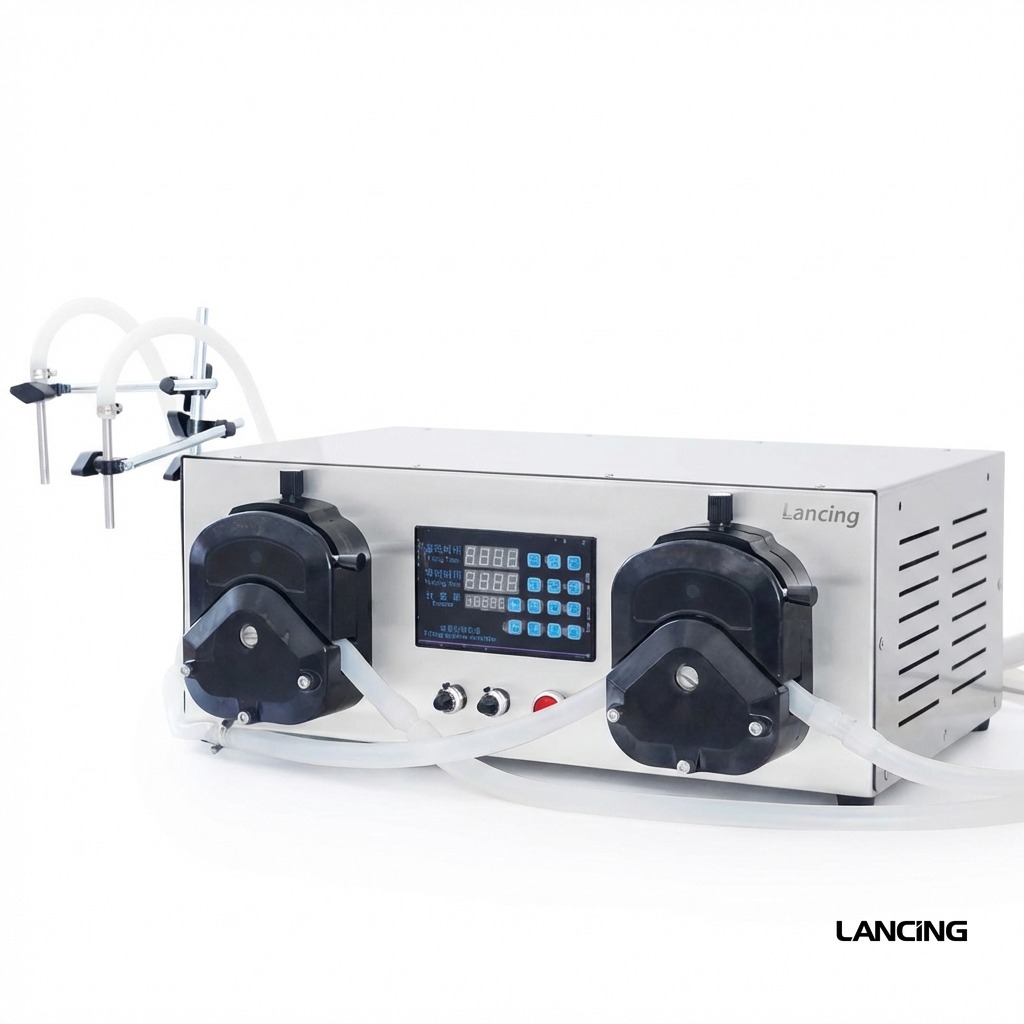
The machine route should be reviewed around product viscosity, foaming, corrosiveness, container size and whether the project requires capping, labelling or other line stages.
Compare the route against product behaviour, fill range, container format, throughput and any downstream capping or labelling stages.
For household or industrial detergent products after compatibility review.
For low-to-medium viscosity liquids in bottles or containers.
For filling, capping, labelling and coding around one layout.
For a faster specification, include the product sample or description, fill volume range, container dimensions, cap or lid type, target output and available production space.
Viscosity, flow, temperature, foam, particles and cleaning expectations.
Bottle, jar, tub or pouch details including neck opening and stability.
Target packs per minute or per hour and whether manual loading is acceptable.
Capping, labelling, coding, sealing, inspection and end-of-line handling.
Detergent filling machines for household chemicals and cleaning liquids. Specify volumetric liquid fillers with Lancing UK.
Read moreUK liquid filling machines for oils, detergents and flowing products. Specify volumetric bottle fillers with Lancing UK.
Read moreIntegrated filling, capping and labelling lines for volumetric filling projects with conveyors, coding and packing.
Read moreContact Lancing UK for volumetric filling machine quotations. Send product, fill volume, container and output details.
Read moreMany chemical and cleaning products can be volumetrically filled, but material compatibility and safety requirements must be reviewed first.
Foaming may require nozzle control, filling speed adjustment or alternative filling strategies.
Yes. The filler can be planned together with conveyors, cappers, labellers and coding equipment.
Send the product, fill range, container and throughput target. Lancing UK will narrow the most practical filling route before quotation.
Provide the latest safety data sheet, formulation or chemical family, concentration range, temperature, contact time, cleaning chemicals and any fire, vapour or exposure risk relevant to the application.
The product can contact hoses, seals, valve seats, gaskets, fittings and nozzles. Use the product-contact materials guide to build the schedule.
No. It supports the buyer’s assessment and supplier review but does not define the complete machine, containment, ventilation, operating or emergency controls.
State chemical, concentration, temperature, contact time, rinse method and how the machine will be isolated and drained.