
Can one seal material handle every product?
No. Seal behaviour depends on formulation, temperature, exposure time, cleaning chemicals and mechanical duty. The specified material should be checked for the complete operating range.
Filling-machine product-contact materials should be specified by listing every wetted component and checking it against the actual formulation, temperature, cleaning chemicals, contact time and production environment. Stainless steel grade alone is not enough: hoses, seals, gaskets, valve seats, coatings, lubricants and adhesives can be equally important. Compatibility should be confirmed from reliable supplier information and the buyer’s risk assessment.
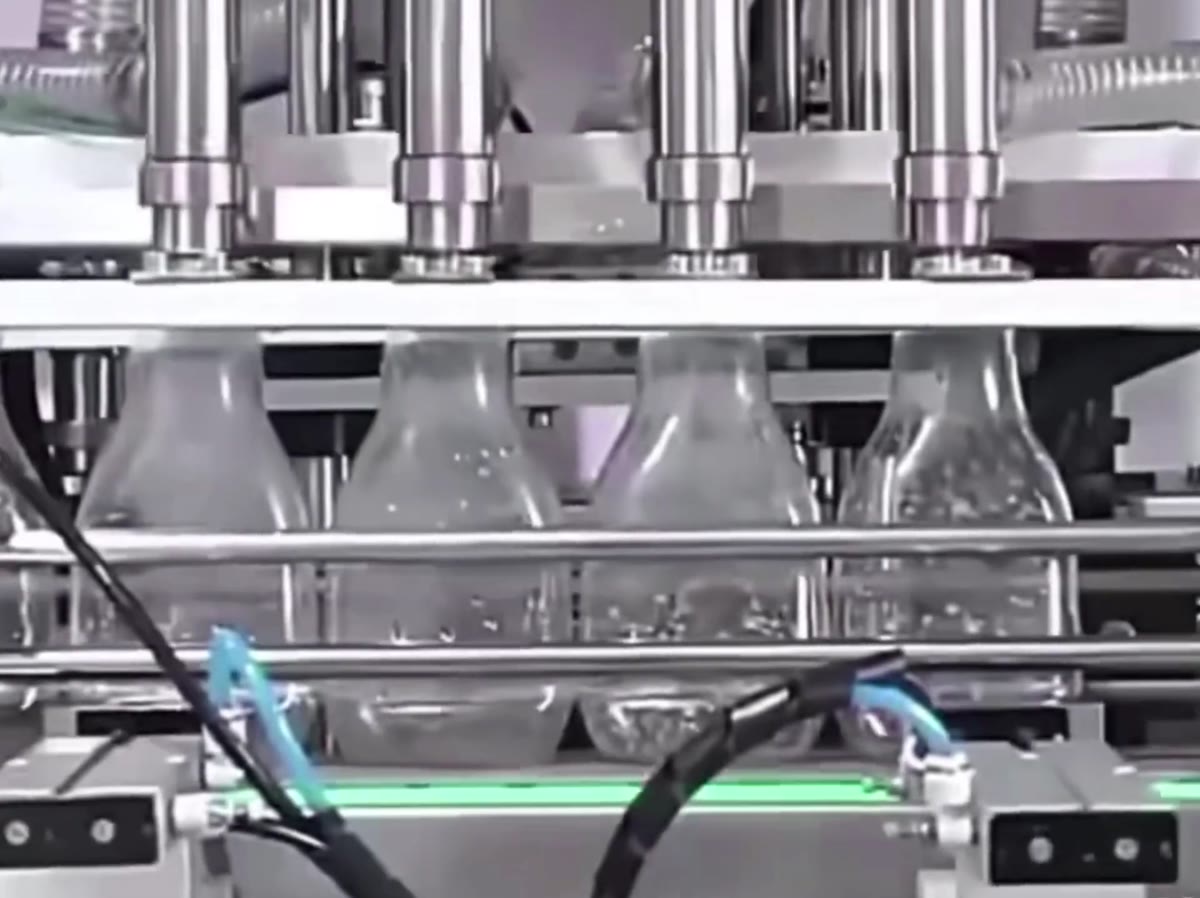
A defensible specification identifies the tank or hopper, pipework, hoses, cylinder or pump, valves, seals, gaskets, nozzle and any sensor or fitting that contacts product. Each item needs an approved material and evidence appropriate to the product and cleaning process.
| Component | Compatibility questions | Evidence to retain |
|---|---|---|
| Tank or hopper | Product, temperature, agitation, drainability and cleaning chemical | Material grade, finish and supplier declaration |
| Hoses and pipework | Solvent, pressure, bend radius, temperature, permeability and cleaning | Hose specification and replacement interval |
| Cylinder or pump | Abrasion, shear, lubrication, corrosion and cleanability | Wetted-parts list and maintenance guidance |
| Valves and seats | Particle passage, swelling, sticking and chemical attack | Valve material, seat material and trial evidence |
| Seals and gaskets | Swelling, hardening, extraction, temperature and cleaning exposure | Material data, approved spare part and inspection interval |
| Nozzle and fittings | Cut-off, particles, finish, corrosion and product retention | Drawing, material and cleaning access |
No. Different stainless grades, surface conditions and fabrication details can behave differently, and the product may also contact elastomers, plastics, tubing, adhesives or lubricants. The complete wetted-parts schedule should be checked, not a single headline material.
Provide the latest safety data sheet for hazardous chemical products and details of every cleaner or sanitiser that will contact the equipment. Use that information to support the buyer’s COSHH assessment, material review, ventilation, containment, isolation and operating procedure. The machine supplier still needs formulation-specific compatibility confirmation where the safety data sheet does not provide it.
No. Seal behaviour depends on formulation, temperature, exposure time, cleaning chemicals and mechanical duty. The specified material should be checked for the complete operating range.
Yes. A component can tolerate the filled product but fail under a concentrated cleaner, hot wash, steam or repeated sanitising cycle.
Provide enough controlled information for compatibility to be assessed, such as a safety data sheet, chemical family, concentration range, temperature and a supplier-led material review under an appropriate confidentiality arrangement.
Review valves, cylinders, pumps, seals, bends and nozzle restrictions for wear. The maintenance plan should identify inspection points and acceptable replacement parts.
The buyer should approve it using product-supplier information, component-manufacturer evidence, the machine supplier’s scope and the application-specific risk assessment.
Record the approved material and part number for each wetted component, then review any substitute seal, hose, lubricant, cleaner or formulation before use.
Lancing can then review the wetted path, change parts and supplier evidence as part of the machine specification.