
Viscosity range
Confirm whether the sauce is thin, thick, heated, shear-sensitive or changes texture over the production run.
Sauce filling needs careful control of viscosity, particulates, hygiene, container opening and nozzle cut-off. The right machine changes between thin sauces, thick sauces, dressings, chutneys and pastes.
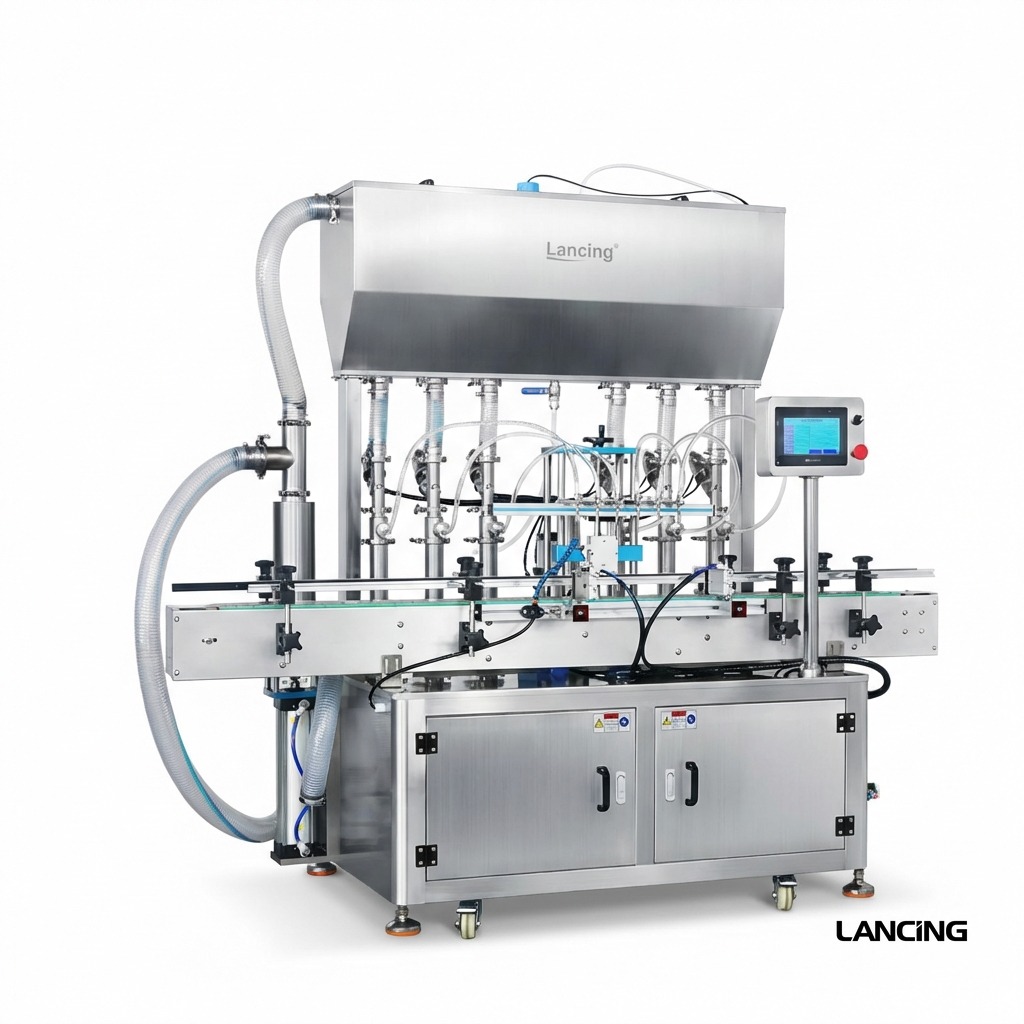
A sauce filler should be chosen around the actual sauce, not just the label. Thickness, herbs, seeds, fruit pieces, oil separation and hot-fill requirements can all change the best filling route.
These checks improve the match between the product, filling method and production layout before quotation.
Confirm whether the sauce is thin, thick, heated, shear-sensitive or changes texture over the production run.
Seeds, herbs and chunks affect valve design, nozzle diameter and fill speed.
Jar opening, bottle neck, deposit accuracy and smear control matter for shelf presentation.
Food-contact parts, cleaning access and batch-change routines should be planned before purchase.
The strongest enquiry usually compares two or three realistic machine routes against the real production conditions.
Useful for smaller sauce producers, trials, seasonal batches and hand-loaded jars or bottles.
A common route for thick or semi-thick sauces where measured volume and positive displacement are required.
For higher output with conveyors, cappers, labellers, coders and accumulation.
| Best-fit products | Sauces, dressings, marinades, chutneys, relishes, dips, food pastes and similar products. |
| Container formats | Glass jars, plastic bottles, tubs and wide-mouth containers depending on presentation. |
| Important checks | Particles, hot filling, viscosity, hygiene, nozzle cut-off, lid/cap route and target output. |
| Quote information | Product photo, fill temperature, particle size, fill volume, container sample and target speed. |
Better production details allow Lancing UK to narrow the filler route quickly and avoid unsuitable catalogue-style recommendations.
Viscosity, particles, temperature, foam, shear sensitivity, hygiene and cleaning expectations.
Bottle, jar or container dimensions, neck opening, fill range and closure type.
Target output, available footprint, utilities, operator level and future expansion plans.
Use these related pages to compare machine types, product behaviour and the information needed before quotation.
Not always. Thin sauces, thick sauces, sauces with oil separation and sauces with pieces may need different filling routes or nozzle designs.
Often yes. Piston fillers can be a strong option for viscous sauces where repeatable volumetric dosing and positive displacement are needed.
Yes, but the machine setup must account for container opening, stability, filling height, cap or lid type and conveyor handling.
Yes. Lancing UK can plan sauce filling with conveyors, capping, labelling, coding and end-of-line equipment.
Send your product, fill volume, container, throughput target and any downstream equipment needed. Lancing UK will narrow the most practical filling route before quotation.