
Poor suction
Check hopper level, inlet restriction, valve movement, hose collapse, air ingress and product viscosity before increasing speed or pressure.
The piston measures a defined displacement, but the valve arrangement decides how product enters and leaves the cylinder. A mismatched valve can limit refill, damage inclusions, trap product or make cleaning harder.
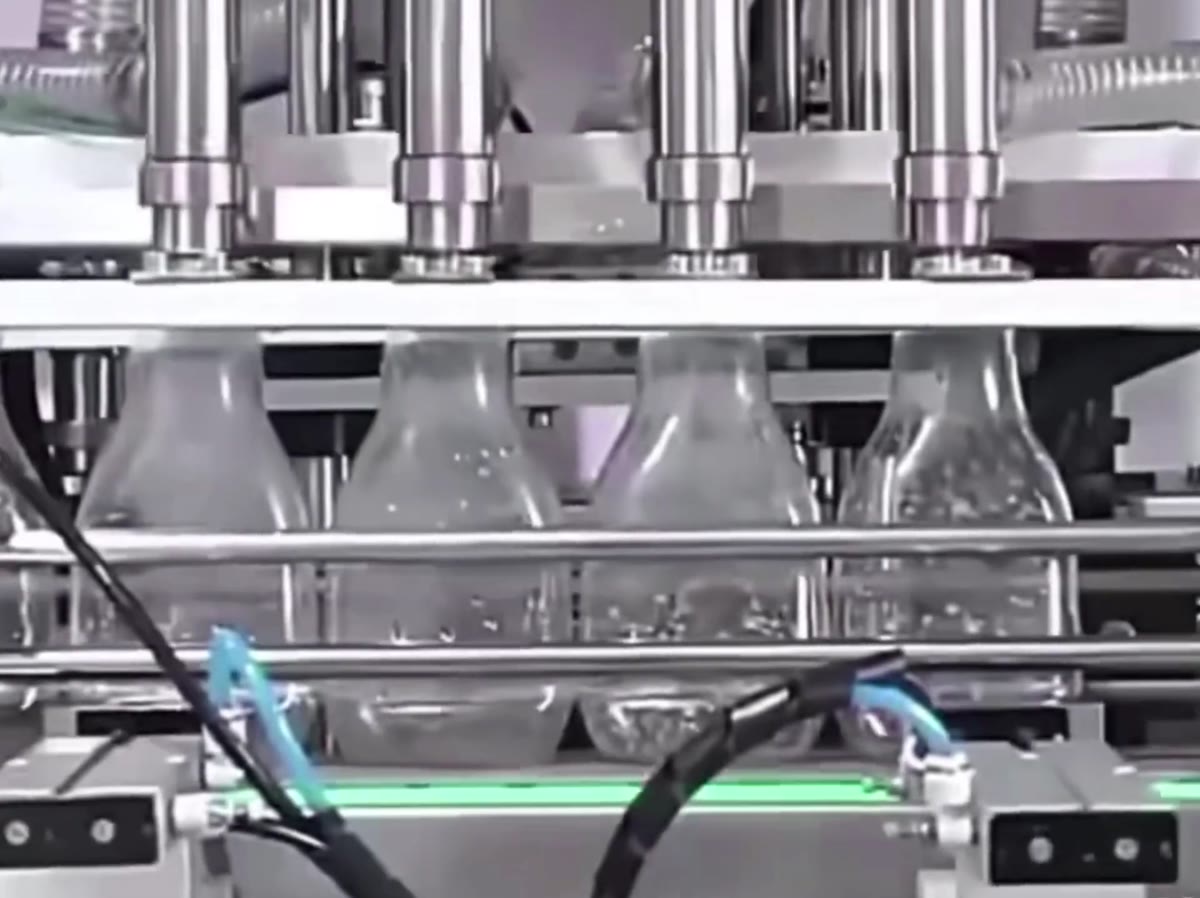
The useful decision is not the label on the machine. It is whether the product, dose, pack, utilities and acceptance method can be controlled together under realistic production conditions.
Lancing VF documentation includes spring-return check-valve and rotary-valve arrangements. The correct choice is application-specific: it depends on how easily the product is drawn into the cylinder, whether it contains particles, how cleanly it can reverse or redirect flow, and how the valve is dismantled or verified during cleaning.
| Engineering factor | Check-valve considerations | Rotary-valve considerations |
|---|---|---|
| Flow direction | Flow opens a one-way element when the pressure differential is sufficient. | A rotating port aligns the inlet and outlet passages in sequence. |
| Viscous refill | Spring force, seat area and passage restriction can affect suction. | Port size, timing and seal condition affect refill and discharge. |
| Particles | Particles can lodge at the seat or stop full closure if the passage is unsuitable. | Particles must pass the port and clearances without crushing, trapping or jamming. |
| Cleaning | Seat, spring, seals and retained pockets require inspection. | Rotor, body, seals and port alignment require inspection and correct reassembly. |
Check hopper level, inlet restriction, valve movement, hose collapse, air ingress and product viscosity before increasing speed or pressure.
Check valve closure, seat contamination, seals, hose joints and nozzle shut-off. A worn piston seal can produce a similar symptom.
Inspect the product after repeated cycles. Particle size alone is not enough; shape, softness, concentration and the whole flow path matter.
Use the most viscous approved condition, the highest normal particle loading and the intended suction path. Run repeated starts, stops and refills rather than one demonstration fill. Retain delivered quantities by head, photographs of product condition, observed valve behaviour and the cleaning/reassembly steps.
Continue with filling-nozzle selection, change-part planning and cleaning and changeover.
These answers define the evidence normally needed before Lancing can confirm a machine configuration.
No. Suitability depends on the actual port, clearances, product texture and concentration. The complete path should be tested with representative product.
Incomplete opening, poor closure, air ingress or leakage can change how fully the cylinder fills or how completely it discharges.
Yes. Drip, delayed cut-off and inconsistent quantity can originate at the valve, cylinder seals, hoses or nozzle, so the whole path should be inspected.
Record dismantling, retained product, seal condition, cleaning access, reassembly checks and the first fills after restart.
Send the viscosity range, particles, feed arrangement, dose and cleaning method so Lancing can compare the available piston-valve routes.