
Part identification
Use a unique identifier and the compatible product, dose and pack range. Store small seals and nozzles in a controlled kit.
A new SKU can require more than a recipe change. The practical change-part list depends on dose range, product path, container geometry, nozzle access and the way the container is presented to the filling position.
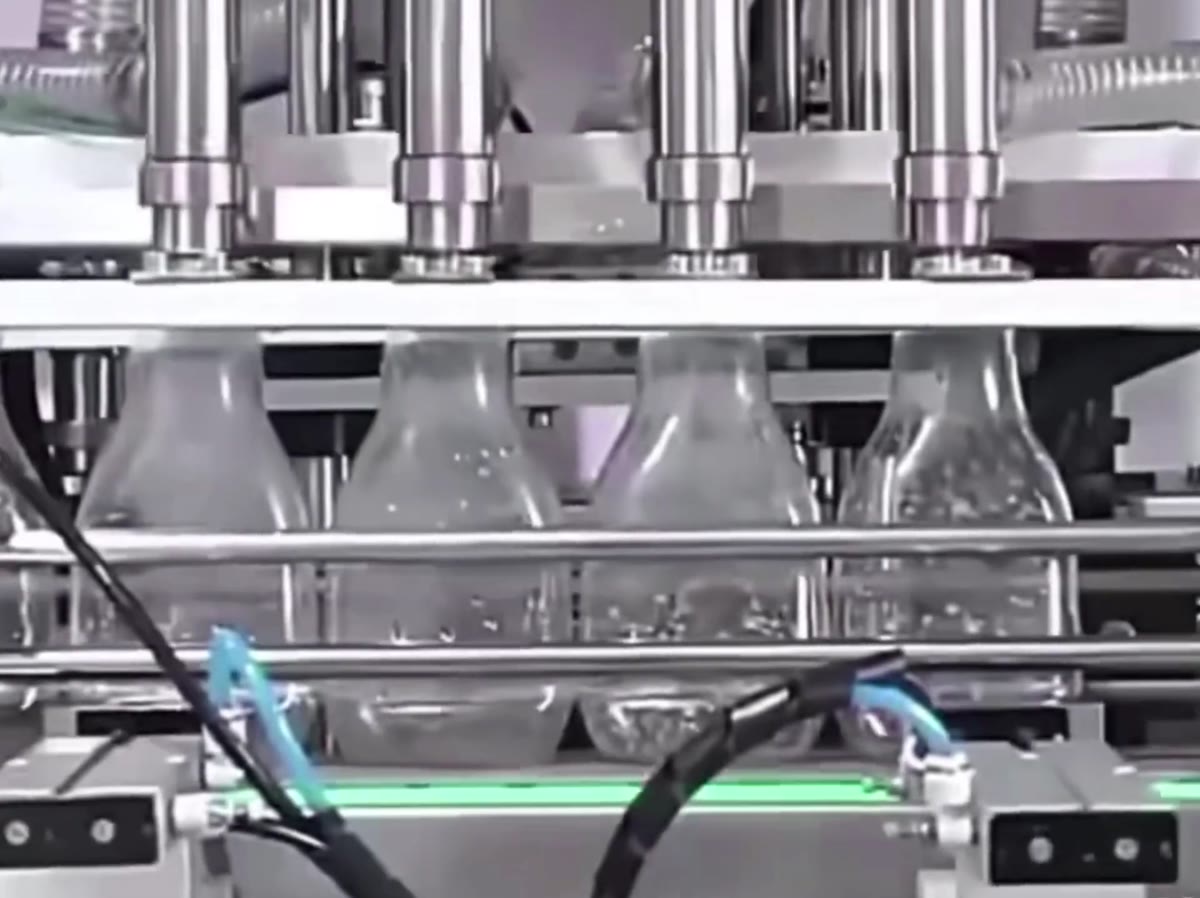
The useful decision is not the label on the machine. It is whether the product, dose, pack, utilities and acceptance method can be controlled together under realistic production conditions.
| Change area | Possible change parts or settings | Evidence to confirm |
|---|---|---|
| Dose range | Piston cylinder or module, stroke setting, cup set or cup adjustment, recipe parameters. | Minimum and maximum repeated fills at the real product condition. |
| Product behaviour | Valve arrangement, seals, hose bore, hopper option, mixer or heating option where approved. | Viscosity, particles, temperature, compatibility and cleaning trial. |
| Nozzle and cut-off | Nozzle bore, shut-off, suck-back, diving stroke, anti-stringing or drip-control arrangement. | Neck clearance, foam, drip, tailing, splash and product presentation. |
| Container handling | Guide rails, bottle gates, sensors, pucks, support plates, height settings and conveyor speed. | Smallest and largest pack, stability, neck position and downstream transfer. |
| Cleaning and wear | O-rings, piston seals, valve seals, nozzle seals, hoses and approved lubricants. | Material compatibility, inspection criteria and controlled replacement record. |
A robust changeover record identifies every removed and fitted part, its condition, cleaning status, recipe, mechanical position and verification result. Photographs or defined reference marks can help repeat guide, gate and nozzle positions without relying on memory.
Use a unique identifier and the compatible product, dose and pack range. Store small seals and nozzles in a controlled kit.
Check sealing faces, O-rings, hose condition, threads, clamps and product-contact surfaces before reassembly.
Confirm safe movement, container clearance, delivered quantity, cut-off and the first acceptable pack before release.
Continue with the cylinder size guide, nozzle guide and cleaning and changeover page.
These answers define the evidence normally needed before Lancing can confirm a machine configuration.
Sometimes, but a very wide range can create poor minimum-dose adjustment or slow maximum-dose cycles. Compare the usable operating window and the benefit of a second module.
They can be. Some formats use adjustable guides only; unstable or unusual packs may require dedicated pucks, support plates or gates.
Include seals where product compatibility, wear, cleaning segregation or planned replacement makes a controlled spare set necessary.
Verify correct parts, safe movement, pack clearance, fill result, nozzle cut-off, cleaning status and the first acceptable production pack.
Send all product, dose and container combinations so Lancing can identify shared settings, dedicated parts and the required verification checks.