
Small dose
Check adjustment resolution, valve response, cut-off and the influence of retained volume in the nozzle.
Both routes can deliver controlled liquid quantities, but they measure the dose differently. A piston displaces a defined cylinder volume; a flowmeter measures product moving through the line and stops the delivery at a calibrated target.
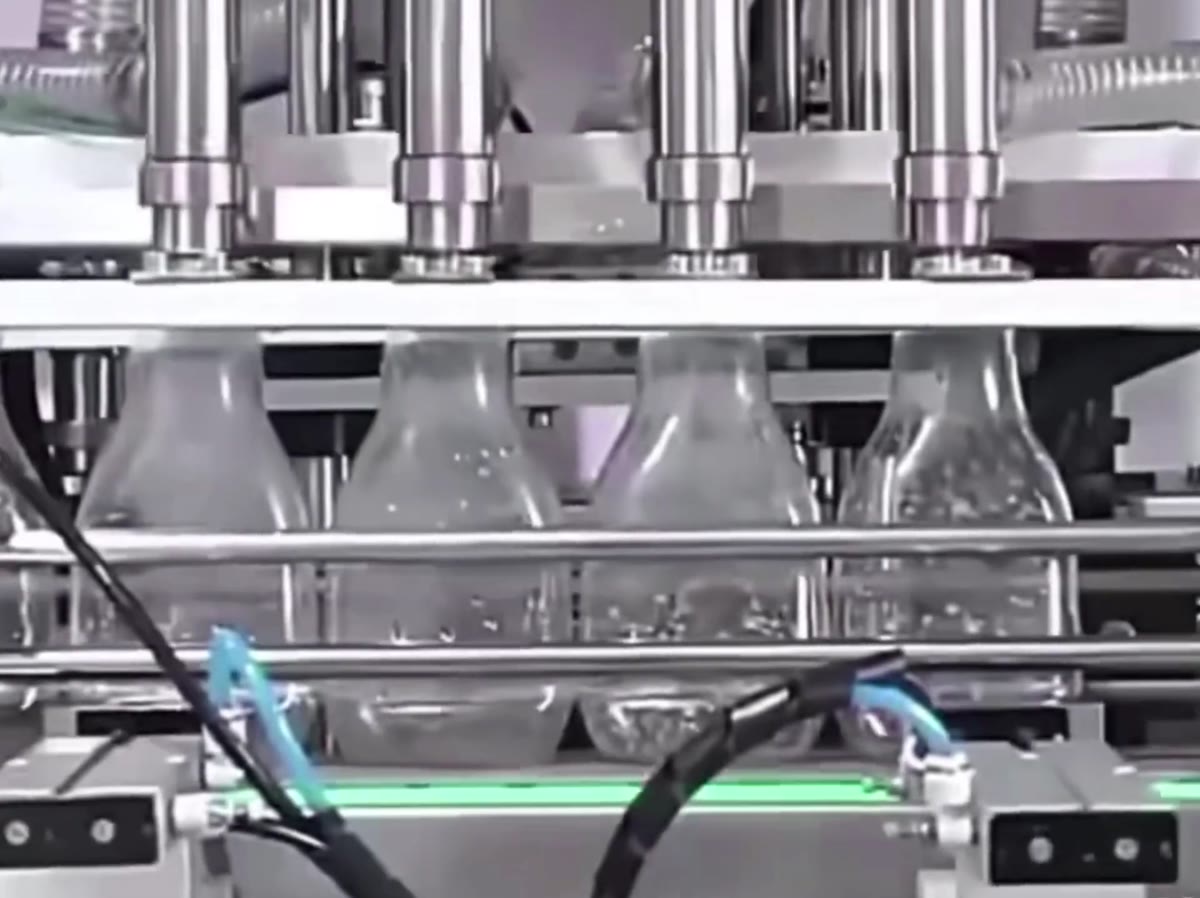
The useful decision is not the label on the machine. It is whether the product, dose, pack, utilities and acceptance method can be controlled together under realistic production conditions.
| Selection factor | Piston volumetric filling | Flowmeter filling |
|---|---|---|
| Measurement principle | Mechanical displacement of a cylinder through a set stroke. | Measured flow is integrated until the control target is reached. |
| Viscous products | Often useful where positive displacement and controlled suction are suitable. | Meter type, pressure drop and minimum flow must suit the viscosity. |
| Wide container sizes | May require cylinder or module changes when the dose span is very wide. | Can offer a broad electronic set-point range when the selected meter and valve remain within their operating window. |
| Particles or inclusions | Valve and nozzle passages must pass the product without trapping or damage. | The meter, valve and pipework must tolerate the inclusion and remain measurable. |
| Cleaning | Cylinder, piston seals, valves and nozzle form the product path. | Meter body, pipework, shut-off valve and nozzle form the product path. |
| Calibration evidence | Relate stroke or volume setting to measured delivered quantity. | Relate meter pulse or calculated flow to measured delivered quantity under the installed conditions. |
Use the thinnest and thickest approved product conditions, the smallest and largest doses, normal line pressure and realistic start-stop operation. Temperature, entrained air, pulsation, supply pressure and valve response can affect the relationship between the machine setting and delivered quantity.
Check adjustment resolution, valve response, cut-off and the influence of retained volume in the nozzle.
Check cylinder refill or meter flow range, pressure loss, container splash and the time available within the line cycle.
Compare the first fills after a pause with stable running and record whether re-priming or correction is required.
See the liquid filling machine guide, accuracy and repeatability guide and controlled trial protocol.
These answers define the evidence normally needed before Lancing can confirm a machine configuration.
A flowmeter system can offer a broad set-point range when the meter, valve and flow remain within their validated window. A piston may need a different cylinder or module across a very wide dose range.
No, but the meter type and installed pressure drop must suit the actual viscosity, flow range and product properties.
Positive-displacement piston or pump routes are often shortlisted for viscous products, but the real decision requires a product trial and review of the complete product path.
Use the same product batch, containers, target quantities, measurement method and realistic line states, then compare both average error and spread.
Send the product properties, dose range, container, supply arrangement and line target for a method shortlist and trial plan.