
When is volumetric filling not the right method?
Volumetric filling is not the strongest method when the buyer must control mass while product density changes, when a consistent visible level matters more than volume, when the product cannot pass the dosing path reliably or when contamination, shear, particles or cleaning make another technology safer and easier to validate.
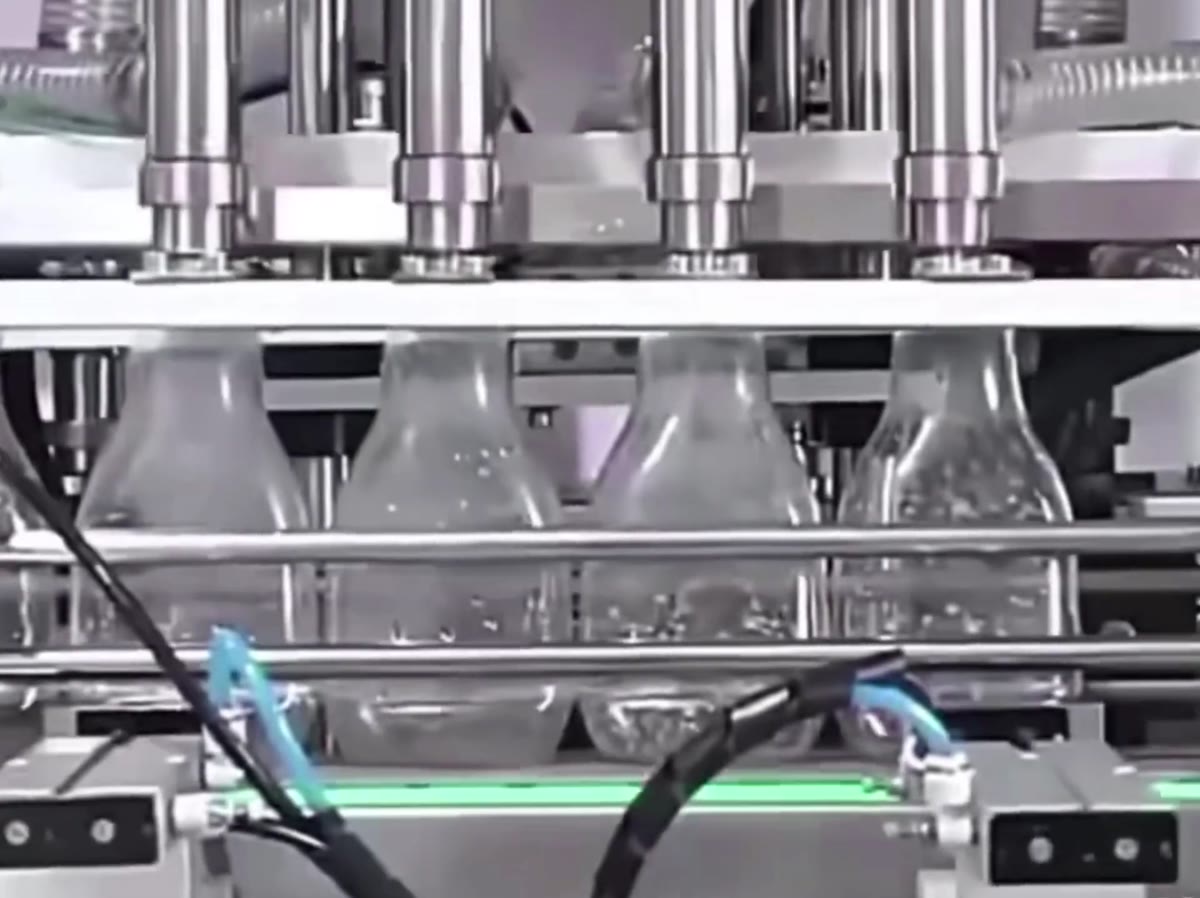
Start with the quantity and process that must be controlled.
Volumetric dosing is strong when product condition is sufficiently stable and a repeated volume is the right process objective. Another method should be compared when the commercial quantity is mass, the pack needs a common visual level, density varies, the product path is too restrictive or a different pump offers a cleaner disposable route.
- Define whether the accepted quantity is volume, mass or level.
- Measure product density or bulk-density variation.
- Check particles, foam, shear, temperature and cleanability.
- Compare the complete line and changeover task, not only the dosing element.
What evidence shows that mass feedback is needed instead of a fixed volume?
Mass feedback deserves comparison when the accepted or sold quantity is weight and representative trials show that density changes make a fixed volume produce an unacceptable weight range. It can also be useful where container tare, larger fills or overshoot control need direct measurement. Retain paired volume, weight, density and product-condition records so the method decision is based on observed variation rather than assumption.
Volume and mass are connected by density
A stable density allows a volume to represent a predictable mass. When density changes through aeration, temperature, moisture, settling or formulation, direct weighing may provide a more appropriate control variable.
When is fill-to-level more appropriate?
Fill-to-level can be more appropriate when transparent containers must present a consistent visible height despite small internal-volume differences. It is commonly compared for free-flowing, non-viscous liquids in rigid containers. The method may be less suitable where the product foams heavily, the container cannot support the required seal or a precise delivered volume is the primary acceptance criterion.
Use the fill-to-level versus volumetric guide to compare the pack objective and product conditions.
When can a peristaltic, flowmeter or time-pressure route be better than piston filling?
A peristaltic route can be attractive for small clean liquid paths and tubing-based product contact. A flowmeter route can suit compatible flowing liquids where measured flow and recipe control are useful. Time-pressure may suit stable low-viscosity liquids under controlled pressure. Each alternative has limits around pressure, viscosity, air, tubing, product conductivity or flow profile, so it must be tested with the actual process.
| Requirement | Method to compare | Main question |
|---|---|---|
| Direct mass feedback | Net-weigh filling | Does density vary enough to make volume unreliable? |
| Common visual level | Fill-to-level | Is appearance more important than exact volume? |
| Disposable or short liquid path | Peristaltic | Can the tubing deliver the product consistently under the real pressure? |
| Compatible flowing liquid | Flowmeter | Can the meter measure the liquid accurately across the operating range? |
| Stable pressure and flow | Time-pressure | Will viscosity and pressure remain controlled through production? |
Continue the specification in the right order.
Compare methods against the real acceptance objective.
Send the product, quantity basis, density or viscosity range, container and cleaning requirement so Lancing can compare the realistic filling routes.